Camera Sensor Sizes Explained: Full-Frame, APS-C, and Micro Four Thirds
Understand how sensor size affects image quality, depth of field, and low-light performance. A complete guide to camera sensor formats.
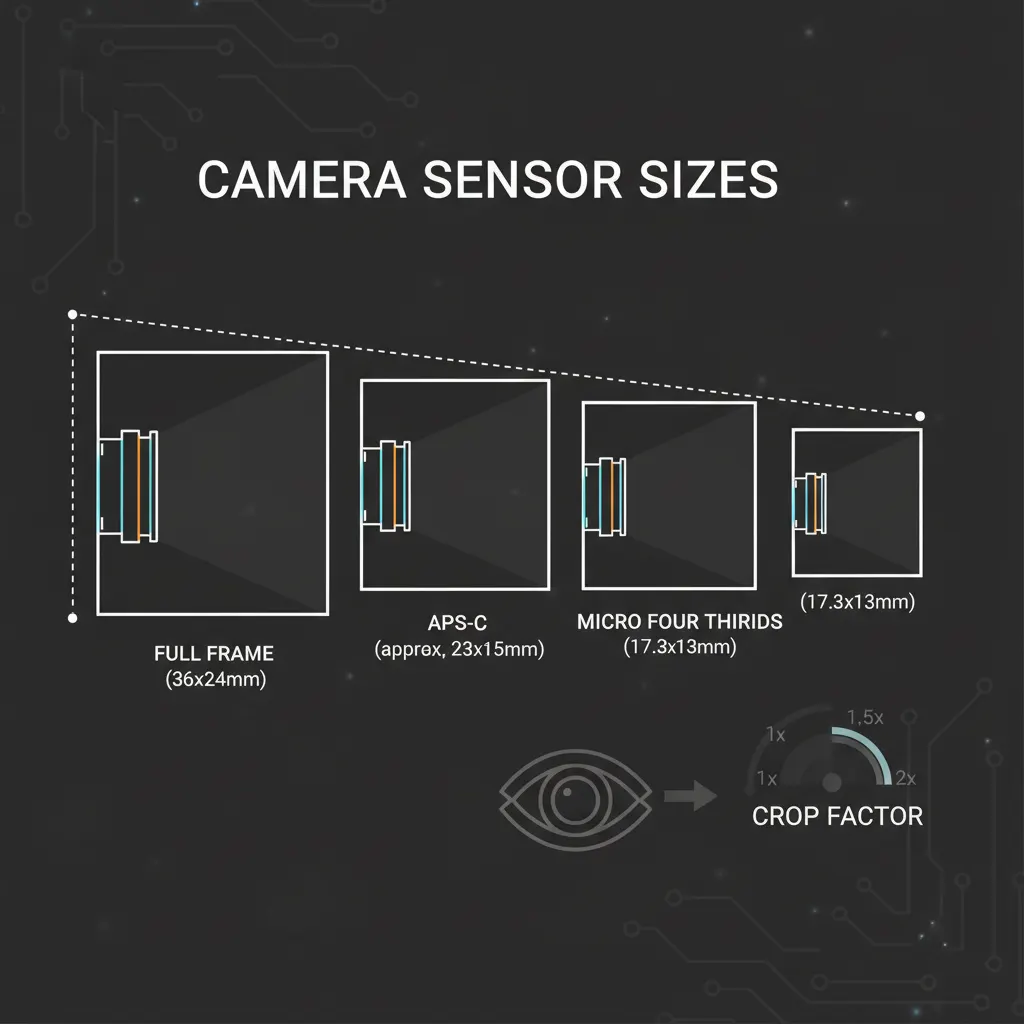
Sensor size is the single most important specification in any camera. It affects image quality, depth of field, low-light performance, dynamic range, and even the size and weight of your entire kit. Yet it’s one of the most misunderstood aspects of photography.
Let’s clear things up.
The Major Sensor Formats
Full-Frame (36 × 24mm)
Full-frame sensors match the size of traditional 35mm film. They’re the reference standard for digital photography.
Found in: Sony A7 series, Canon EOS R5/R6, Nikon Z6/Z8, Panasonic S5 — see our mirrorless vs DSLR comparison for help choosing between systems
Advantages:
- Best low-light performance and highest dynamic range
- Shallowest depth of field for a given aperture and framing
- Largest viewfinder image (in optical viewfinders)
- Maximum detail and resolution potential
Trade-offs:
- Larger, heavier bodies and lenses
- More expensive across the board
- Heavier files that need more storage and processing power
APS-C (23.5 × 15.6mm, approximately)
APS-C sensors are roughly 1.5x smaller than full-frame (1.6x for Canon). This creates a “crop factor” that effectively multiplies focal length — a 50mm lens on APS-C frames like a 75mm on full-frame.
Found in: Sony A6700, Canon EOS R7/R50, Nikon Z50 II, Fujifilm X-T5
Advantages:
- Excellent balance of quality and portability
- Smaller, lighter lenses (especially in Fujifilm X-mount)
- Crop factor benefits telephoto reach (great for wildlife and sports)
- Significantly cheaper than equivalent full-frame setups
Trade-offs:
- About 1 stop less low-light performance than full-frame
- Harder to achieve very shallow depth of field
- Slightly less dynamic range (narrowing with newer sensors)
Micro Four Thirds (17.3 × 13mm)
The MFT format uses a 2x crop factor. It’s the smallest “serious” camera sensor format, championed by Panasonic and OM System.
Found in: Panasonic Lumix G9 II, OM System OM-5, Panasonic G100D
Advantages:
- Smallest and lightest system overall
- Deep depth of field makes landscape and macro easier
- Excellent stabilization (OM System claims 8.5 stops)
- Affordable, compact lenses
Trade-offs:
- Noticeably weaker low-light performance
- Limited dynamic range compared to larger sensors
- Shallower depth of field requires very fast lenses (f/1.2 or wider)
Smartphone Sensors (~6 × 4.5mm typical)
For reference, a typical smartphone sensor is roughly 8-10x smaller than Micro Four Thirds. This explains the fundamental quality gap, despite impressive computational photography advances.
How Sensor Size Affects Your Photos
Low-Light Performance
Larger sensors have larger individual photosites (pixels), which capture more light. This means cleaner images at high ISO settings.
In practical terms:
- Full-frame: Clean images up to ISO 6400-12800
- APS-C: Clean images up to ISO 3200-6400
- MFT: Clean images up to ISO 1600-3200
These are rough guidelines — newer sensors push these boundaries higher.
Depth of Field
Sensor size directly affects how much background blur (bokeh) you can achieve — learn the technique in our guide on how to create beautiful bokeh. To get the same field of view and framing:
- A 50mm f/1.8 on full-frame produces very shallow DOF
- A 33mm f/1.8 on APS-C produces moderately shallow DOF (equivalent field of view, but deeper DOF)
- A 25mm f/1.8 on MFT produces even deeper DOF
For portrait photographers who want creamy background blur, full-frame has a clear advantage — and choosing the right glass is equally important, as we cover in our best camera lenses for portraits guide. For landscape photographers who want everything sharp, smaller sensors actually help.
Dynamic Range
Dynamic range — the ability to capture detail in both highlights and shadows — generally improves with sensor size. Full-frame sensors typically offer 1-2 stops more dynamic range than APS-C, and 2-3 more than MFT.
This matters most for landscape photography (bright skies, dark foregrounds) and post-processing (recovering shadows or highlights in RAW).
Resolution
Sensor size doesn’t directly determine megapixel count, but it does affect how useful those megapixels are. A 40MP full-frame sensor has larger, more efficient photosites than a 40MP APS-C sensor.
That said, modern APS-C sensors like Fujifilm’s 40MP X-Trans are remarkably capable. The quality gap is smaller than ever.
Which Sensor Size Should You Choose?
Choose full-frame if:
- Low-light performance is critical (events, weddings, astrophotography)
- You want maximum depth-of-field control
- You need the highest possible image quality for commercial work
- Budget and weight aren’t primary concerns
Choose APS-C if:
- You want the best balance of quality, size, and cost
- You shoot wildlife or sports (the crop factor gives you extra reach)
- You’re learning photography and want room to grow
- You prefer a lighter, more portable system
Choose Micro Four Thirds if:
- Portability is your top priority
- You shoot landscapes, macro, or video primarily
- You want the most compact lens ecosystem
- You value stabilization and deep DOF
The Bottom Line
Sensor size matters, but it’s not everything. A skilled photographer with an APS-C camera will consistently produce better images than a beginner with a full-frame body.
Choose the sensor format that fits your shooting style, budget, and physical comfort. Then spend your energy learning to see and compose — that’s what truly makes great photographs.
You might also like
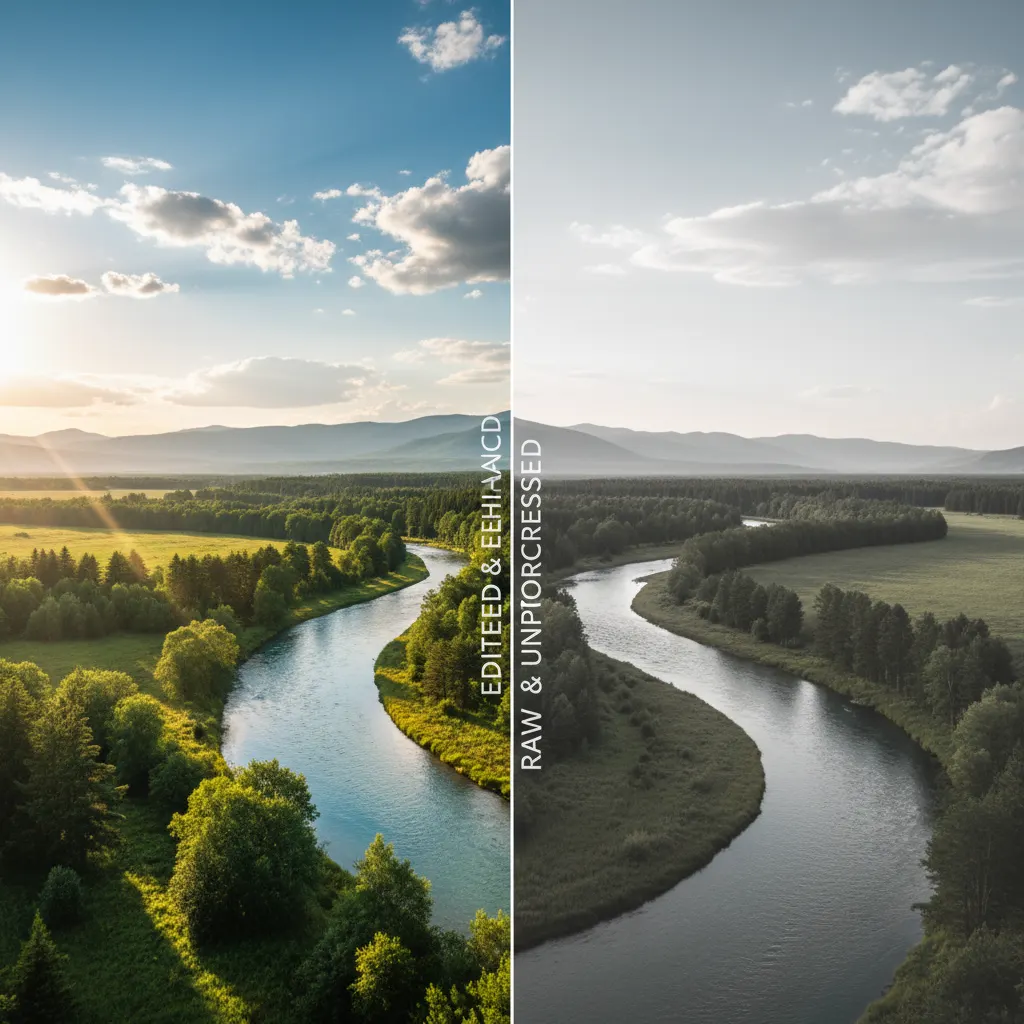
RAW vs JPEG: When to Shoot Each Format
Should you shoot RAW or JPEG? We explain the differences, advantages of each format, and when to use them for the best results.
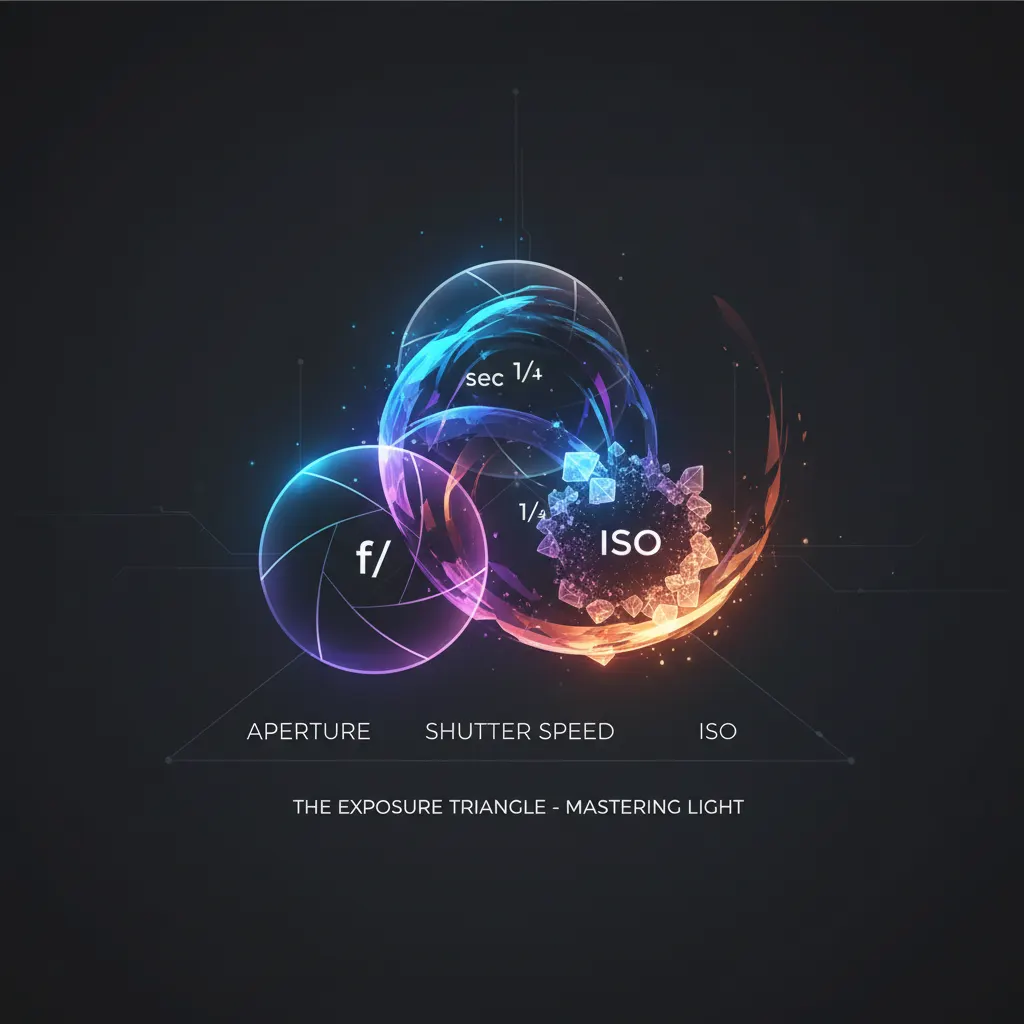
The Exposure Triangle: Aperture, Shutter Speed, and ISO Explained
Master the three pillars of exposure. Learn how aperture, shutter speed, and ISO work together to control your camera and create better photos.
Best Cameras for Video and Content Creation in 2026
YouTube, TikTok, or client work — we review the best cameras for video content creators at every level and budget.