Best Cameras for Real Estate Photography in 2026
Find the best cameras for real estate photography in 2026. Compare full-frame picks for wide-angle interiors, HDR bracketing and dynamic range.
Best Cameras for Real Estate Photography in 2026
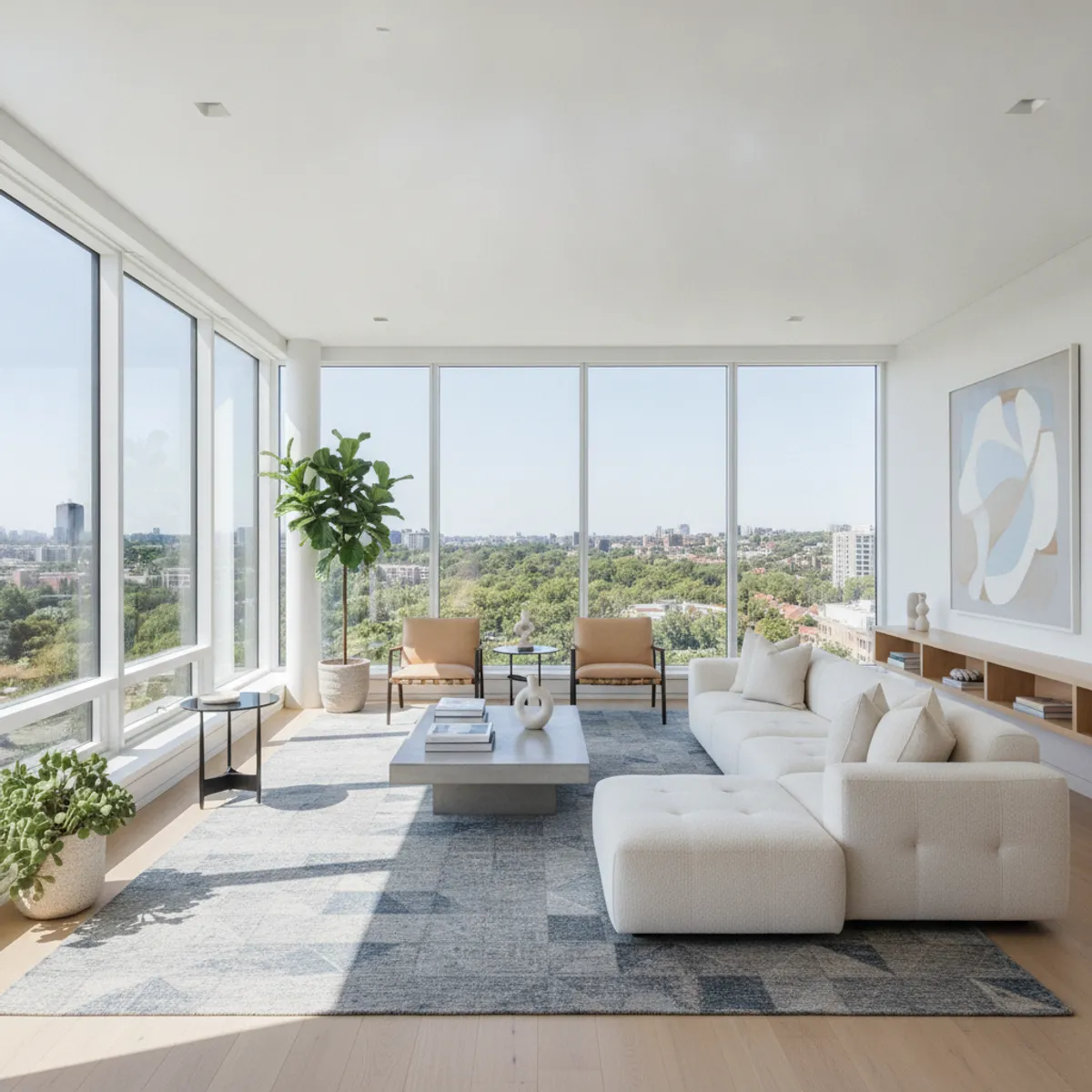
Choosing among the best cameras for real estate photography comes down to three things: a sensor with enough dynamic range to balance bright windows against dim interiors, the ability to mount a wide-angle lens, and reliable exposure bracketing for HDR blends. The right camera helps listings sell faster by making rooms look spacious, bright and true to life. Below we break down the top full-frame and budget options for 2026, plus the wide lenses, tripod and flash that complete a real estate kit.
Quick Answer: Which Camera Is Best?
For most real estate photographers in 2026, a full-frame mirrorless camera like the Canon EOS R6 Mark II or Sony a7 IV is the best choice. Pair it with a 16-35mm wide-angle lens and a sturdy tripod. They deliver wide coverage, strong dynamic range and auto exposure bracketing for clean HDR interior shots.
What Makes a Camera Good for Real Estate Photography?
Real estate work has a specific set of demands that differ from portrait or wedding photography. Understanding them helps you spend money where it matters.
Dynamic Range and HDR Bracketing
Interiors are high-contrast scenes. You are often shooting a dim room with a bright window in frame, and you want detail in both. A camera with high dynamic range captures more of that tonal range in a single frame, and auto exposure bracketing (AEB) lets you shoot 3, 5 or 7 frames at different exposures to blend into one balanced image. The Canon EOS R8, for example, delivers a maximum dynamic range of 14.7 EV at base ISO according to DXOMARK, which gives you plenty of latitude for window pulls.
Full-Frame Sensors and Wide-Angle Reach
A full-frame sensor gives you the true field of view of a wide-angle lens. On a crop sensor, a 16mm lens behaves more like a 24mm, robbing you of the room-filling perspective real estate buyers expect. Full-frame also performs better in the low light of windowless bathrooms and basements. If you are weighing camera types, our guide on mirrorless versus DSLR and which you should buy covers the trade-offs in detail.
Tilt or Vari-Angle Screen
You will shoot at chest height to keep verticals straight, and often need awkward low or high angles. A tilting or fully articulating rear screen lets you compose without contorting yourself or losing the level horizon that makes interiors look professional.
The Best Cameras for Real Estate Photography in 2026
Here are the models that combine the right sensor, lens mount and ergonomics for interior and exterior property work.
Canon EOS R6 Mark II — Best All-Around
The Canon EOS R6 Mark II pairs a 24.2MP full-frame sensor with excellent low-light performance and Canon’s deep RF lens ecosystem, including the superb RF 15-35mm f/2.8. Its in-body image stabilization helps with handheld twilight exterior shots, and AEB makes HDR interiors straightforward. For real estate, the balance of resolution, dynamic range and color accuracy is hard to beat.
Sony a7 IV — Best Resolution
The Sony a7 IV steps up to a 33MP back-side-illuminated sensor, giving you more cropping room and the ability to deliver large, detailed images for luxury listings and print marketing. The fully articulating screen and broad selection of native and third-party wide-angle lenses make it a flexible workhorse. If you shoot Sony, our roundup of the best budget lenses for the Sony a7 is a useful companion.
Nikon Z6 III — Best Build and Viewfinder
The Nikon Z6 III brings a 24.5MP sensor, robust weather sealing and one of the brightest electronic viewfinders in its class. Dynamic range is a step behind the Canon and Sony rivals per PetaPixel’s mid-range comparison, but careful bracketing closes the gap, and Nikon’s Z 14-30mm f/4 is a compact, sharp wide option for interiors.
Canon EOS R8 — Best Value Full-Frame
The Canon EOS R8 packs the same 24.2MP sensor and 14.7 EV of dynamic range into a lighter, more affordable body. It lacks in-body stabilization, but on a tripod (where most real estate work happens) that hardly matters. For a photographer entering the field, it delivers professional image quality without the flagship price.
Budget Pick: Canon EOS R10 or Used Full-Frame
If you are starting out, an APS-C body like the Canon EOS R10 paired with a 10-18mm wide lens gets you working for far less. A used full-frame body from the previous generation is another smart route. Beginners may also want to read our guide to the best mirrorless cameras for beginners before committing.
Camera Comparison Table
| Camera | Sensor | Best Feature for Real Estate | Approx. Price (Body) |
|---|---|---|---|
| Canon EOS R6 Mark II | 24.2MP full-frame | All-around: IBIS, color, RF wide lenses | $2,200 |
| Sony a7 IV | 33MP full-frame BSI | High resolution for luxury listings | $2,500 |
| Nikon Z6 III | 24.5MP full-frame | Bright EVF, rugged weather sealing | $2,500 |
| Canon EOS R8 | 24.2MP full-frame | Best value full-frame, 14.7 EV DR | $1,500 |
| Canon EOS R10 | 24.2MP APS-C | Budget entry with 10-18mm wide lens | $900 |
Prices are approximate U.S. street prices as of mid-2026 and vary by retailer and bundle.
Essential Gear Beyond the Camera Body
The body is only part of a real estate kit. These three items have an outsized impact on image quality.
A Wide-Angle Lens (16-35mm)
The single most important purchase after the camera is a wide-angle lens. A 16-35mm zoom is the real estate standard: 16mm fills small rooms and 35mm keeps larger spaces from looking distorted. Avoid going wider than 14mm for most interiors, as extreme angles stretch furniture and exaggerate proportions in ways buyers distrust. Understanding focal length and how it relates to settings like aperture is covered in our primer on aperture, shutter speed and ISO.
A Sturdy Tripod
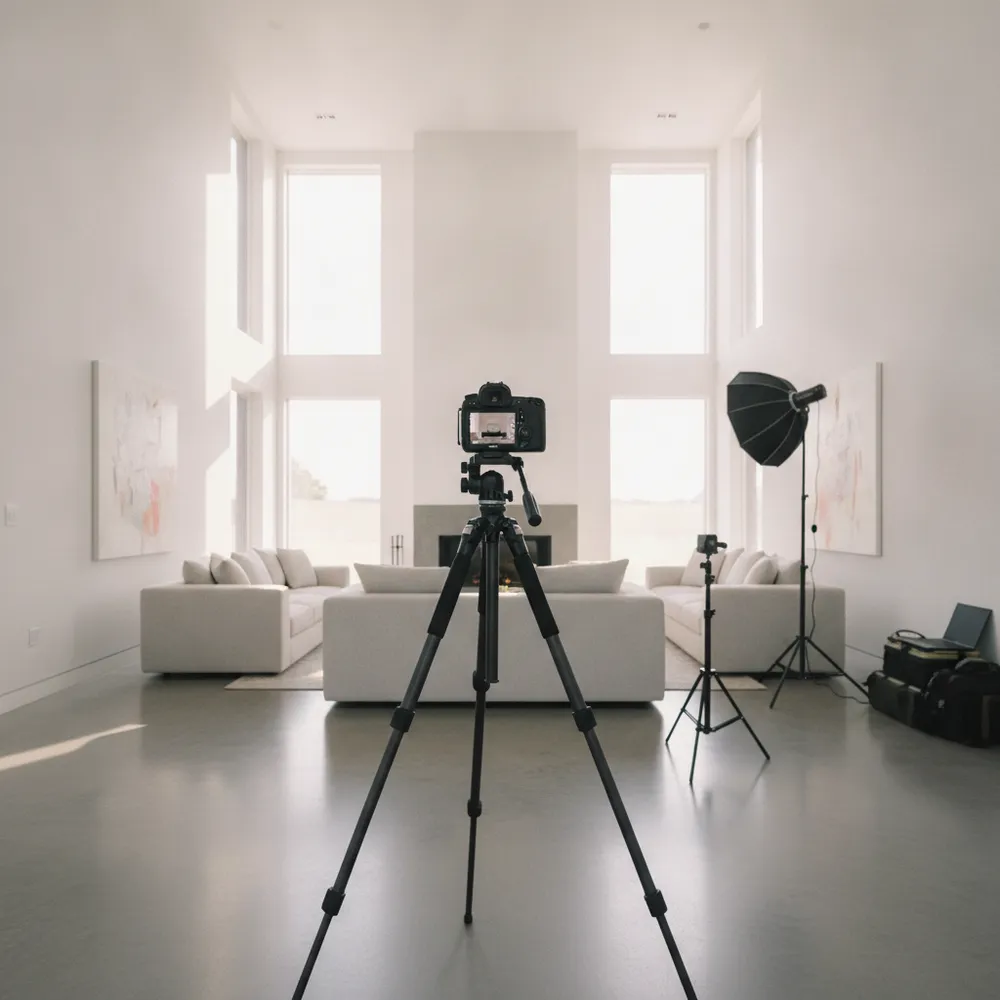
Real estate photography is a tripod discipline. Shooting at f/8 to f/11 for front-to-back sharpness means slower shutter speeds, and bracketing demands a perfectly stationary camera between frames. A tripod also locks in level verticals. See our recommendations for the best tripods for photography to find a stable, height-adjustable model.
A Flash for Interiors
A speedlight or two transforms interiors. Bouncing flash off the ceiling fills shadows, balances mixed window and tungsten light, and reduces the number of brackets you need. Many pros combine a single off-camera flash with ambient bracketing for natural, evenly lit rooms.
How to Shoot Real Estate Interiors: Quick Workflow
Set your camera to aperture priority or manual at f/8 to f/11, ISO 100-400, and enable auto exposure bracketing. Mount the camera on a leveled tripod at roughly chest height, keep the camera back parallel to the walls to preserve straight verticals, and shoot three to five bracketed frames per room. Blend the brackets in post, then correct any remaining lens distortion and converging lines.
Composition matters as much as gear. Shoot into corners to show depth, include foreground elements like a kitchen island or a made bed, and turn on every light in the room for warmth. While portrait technique differs, the lens-selection logic in our guide to the best camera lenses for portraits reinforces how focal length shapes a scene. If you also shoot lifestyle content for agents, our tutorial on how to photograph newborns at home shares useful natural-light tips.
Frequently Asked Questions
What is the best camera for real estate photography in 2026?
The Canon EOS R6 Mark II and Sony a7 IV are the best cameras for real estate photography in 2026. Both are full-frame mirrorless bodies with strong dynamic range, exposure bracketing for HDR interiors, and access to 16-35mm wide-angle lenses that make rooms look spacious and bright.
Do I need a full-frame camera for real estate photography?
Full-frame is strongly recommended but not mandatory. It delivers true wide-angle coverage, better low-light performance for dim rooms, and more dynamic range for window pulls. An APS-C camera with a dedicated ultra-wide lens, such as a 10-18mm, can produce professional results on a tighter budget.
What lens is best for real estate photography?
A 16-35mm wide-angle zoom is the real estate standard. The 16mm end fills small bathrooms and bedrooms, while 35mm keeps large open-plan spaces looking natural. Avoid lenses wider than 14mm, as extreme angles distort furniture and proportions in ways that mislead potential buyers.
Why do real estate photographers use exposure bracketing?
Interiors are high-contrast scenes with bright windows and dark corners that exceed a single exposure’s range. Bracketing captures three to seven frames at different exposures, then blends them so both the view outside the window and the shadowed room interior retain full detail in the final image.
Is a tripod necessary for real estate photography?
Yes. Real estate work uses small apertures like f/8 to f/11 for sharpness, which forces slower shutter speeds, and exposure bracketing requires the camera to stay perfectly still between frames. A tripod also locks verticals straight, giving interiors the clean, professional look that buyers and agents expect.
Final Verdict
The best cameras for real estate photography in 2026 are full-frame mirrorless bodies that combine wide dynamic range, dependable bracketing and access to a 16-35mm lens. The Canon EOS R6 Mark II is the all-around winner, the Sony a7 IV leads on resolution, and the Canon EOS R8 offers outstanding value. Whichever you choose, invest equally in a wide lens, a solid tripod and a flash, then master a level, bracketed workflow. That combination, more than any single spec sheet, is what turns ordinary rooms into listings that sell.
Sources: DXOMARK Canon EOS R8 sensor test, PetaPixel mid-range mirrorless comparison.
You might also like
Best Budget Lenses for Sony A7 Cameras in 2026
Discover the best budget lenses for Sony A7 cameras in 2026, from affordable Sony FE primes to third-party Tamron, Sigma and Samyang E-mount glass.
Best Cameras Under $500 in 2026
You don't need to spend a fortune to take great photos. Here are the best cameras under $500 for every type of photographer.
Best Mirrorless Cameras for Beginners in 2026
Our top picks for beginner-friendly mirrorless cameras. Affordable, easy to use, and packed with features to help you learn photography fast.