Best Cameras for Wildlife Photography in 2026
Capture birds, mammals, and reptiles in their natural habitat. We review the best cameras for wildlife photography with fast AF and long reach.
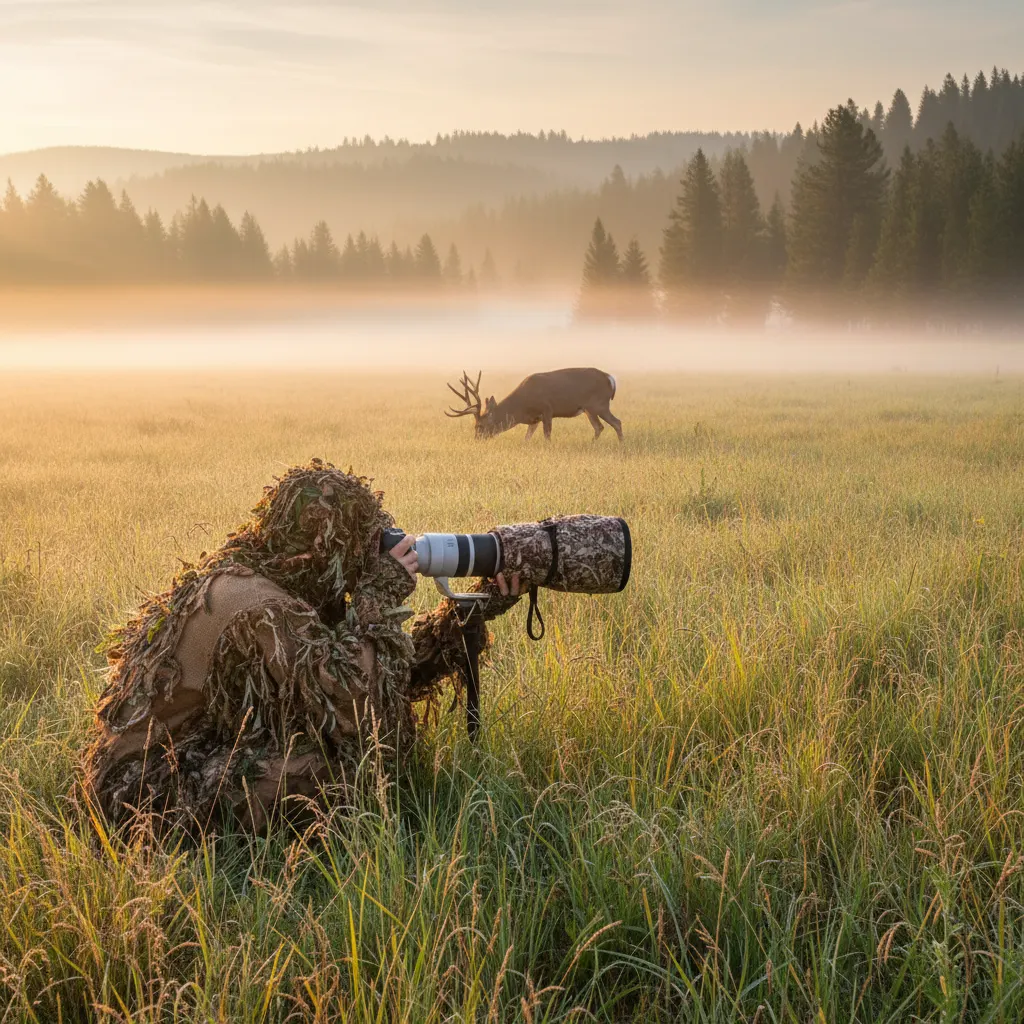
Wildlife photography demands more from your camera than almost any other genre. You need blazing-fast autofocus, high burst rates, excellent high-ISO performance, and compatibility with long telephoto lenses. Oh, and weather sealing — because animals don’t wait for nice weather.
Here are the best cameras for capturing wildlife in 2026.
What Wildlife Photographers Need
Non-Negotiable Features
- Fast, accurate AF with bird/animal eye detection
- High burst rate (at least 10fps, ideally 20+)
- Weather sealing for outdoor reliability
- Good buffer depth so you don’t miss the decisive moment
- Compatibility with 400mm+ telephoto lenses
Nice to Have
- In-body image stabilization
- Silent (electronic) shutter for sensitive subjects
- Dual card slots for backup
- Pre-capture (recording before you press the shutter)
Our Top Picks
Best Overall: Sony A9 III
The first camera with a global shutter sensor — meaning zero rolling shutter, zero blackout, and 120fps continuous shooting. It’s the ultimate wildlife machine.
- 24.6MP full-frame global shutter
- 120fps burst with AF/AE tracking
- Pre-capture up to 1 second
- AI-based subject recognition (birds, animals, insects)
- Professional weather sealing
Why it wins: Nothing else comes close for birds in flight. The 120fps burst with zero blackout means you never miss the peak action.
Best Value: Sony A6700
If the A9 III’s price is prohibitive, the A6700 offers remarkably capable wildlife performance in an APS-C body. The 1.5x crop factor effectively gives your lenses extra reach.
- 26MP APS-C sensor
- 759 phase-detect AF points with bird/animal eye detection
- 11fps continuous with tracking
- 4K 60fps video (great for wildlife filming)
- Compact, lightweight body
Why it wins: A 200-600mm lens on the A6700 gives you an effective 300-900mm reach at a fraction of the weight and cost of full-frame equivalents.
Best for Bird Photography: OM System OM-1 Mark II
The Micro Four Thirds format gives the OM-1 II a 2x crop factor — doubling your effective focal length. Combined with the best IBIS on the market and excellent AI bird AF, it’s a birder’s dream.
- 20.4MP stacked MFT sensor
- 120fps (with AF) / 50fps (with C-AF tracking)
- AI-based bird detection (detects head, body, and eye)
- 8.5 stops IBIS
- IP53 weather sealing
Why it wins: A 150-400mm f/4.5 lens becomes 300-800mm equivalent. The entire system weighs half of an equivalent full-frame setup.
Best Nikon Option: Nikon Z8
Nikon’s mini-Z9 brings flagship AF performance in a smaller, lighter body. The 3D Tracking AF is tenacious with moving wildlife.
- 45.7MP stacked full-frame sensor
- 20fps RAW, 30fps JPEG
- Bird/animal/vehicle AF detection
- 8K video, 4K 120fps
- Professional build quality
Why it wins: Highest resolution on this list, with excellent burst speed. If you crop wildlife shots frequently, 45.7MP gives you room.
Essential Wildlife Lenses
Your lens matters as much as your camera body. Here are our picks by system:
| System | Lens | Effective Range | Weight |
|---|---|---|---|
| Sony E | 200-600mm f/5.6-6.3 G | 200-600mm (FF) | 2.115kg |
| Nikon Z | 180-600mm f/5.6-6.3 VR | 180-600mm (FF) | 1.955kg |
| Canon RF | 200-800mm f/6.3-9 IS USM | 200-800mm (FF) | 2.050kg |
| OM System | 150-400mm f/4.5 TC | 300-1000mm equiv. | 1.875kg |
Budget options: Sigma and Tamron offer excellent 150-600mm zooms for Sony and Nikon at half the price of native lenses. For guidance on choosing lenses in general, check out our roundup of the best camera lenses for portraits — many of the same optical qualities apply to wildlife glass.
Field Tips for Wildlife Photography
Patience Is Your Best Lens
The most experienced wildlife photographers spend 90% of their time waiting and 10% shooting. Learn animal behavior patterns, arrive early, and stay quiet. The best shots come to those who wait. A solid support system helps too — see our picks for the best tripods for photography to keep your heavy telephoto steady during long waits.
Shoot at Eye Level
Get down to the animal’s eye level whenever safely possible. This creates intimate, engaging images that connect the viewer with the subject. A bird photographed from above looks like a documentation shot. The same bird photographed at eye level becomes a portrait.
Know Your Subject
Understanding animal behavior helps you anticipate moments. If you’re photographing birds of prey, learn their hunting patterns. For mammals, study their social behaviors and feeding times. If you also photograph domestic animals, our guide on how to photograph pets and animals covers techniques that translate well to the field.
Wildlife enthusiasts who want to deepen their knowledge of animal species and behavior can explore resources dedicated to exotic and wild animal biology — understanding your subject makes you a better photographer.
Respect the Wildlife
Never disturb, bait, or stress an animal for a photograph:
- Keep a safe distance (use longer lenses instead of getting closer)
- Don’t play recorded calls to attract birds
- Stay on marked trails in protected areas
- If an animal changes its behavior because of you, you’re too close
Our Verdict
The Sony A9 III is the undisputed champion for serious wildlife photography. If your budget allows it, nothing else delivers this combination of speed, AF accuracy, and reliability.
For the best value, the Sony A6700 paired with the 200-600mm G lens is an incredibly capable wildlife kit at a fraction of the cost.
And for birders specifically, the OM System OM-1 II offers the most reach per dollar and the lightest carry weight — a significant advantage when hiking to remote locations.
You might also like
Best Cameras for Video and Content Creation in 2026
YouTube, TikTok, or client work — we review the best cameras for video content creators at every level and budget.
Best Cameras Under $500 in 2026
You don't need to spend a fortune to take great photos. Here are the best cameras under $500 for every type of photographer.
Best Mirrorless Cameras for Beginners in 2026
Our top picks for beginner-friendly mirrorless cameras. Affordable, easy to use, and packed with features to help you learn photography fast.