Nikon Z6 III vs Sony A7 IV: Full-Frame Showdown
Nikon Z6 III or Sony A7 IV? We compare autofocus, image quality, video features, and value to help you choose the right full-frame mirrorless camera.
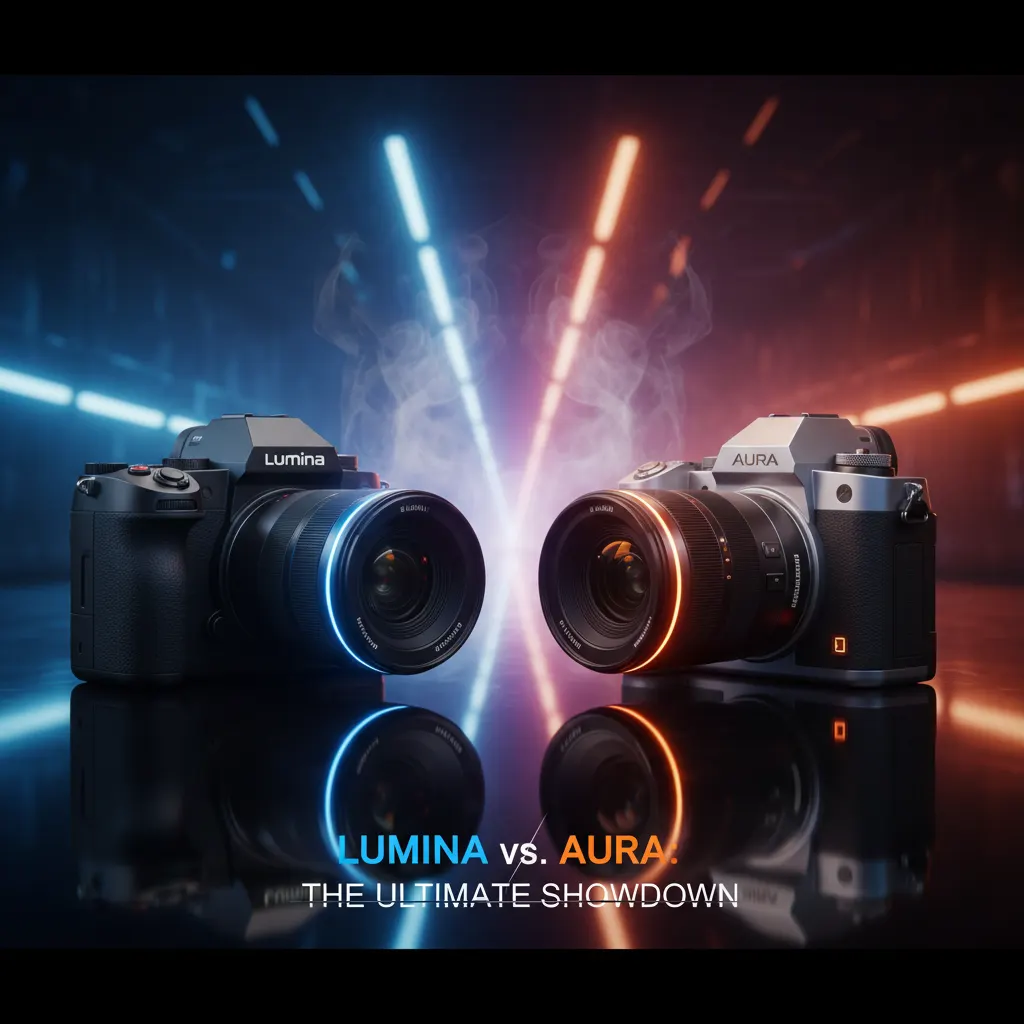
The Nikon Z6 III and Sony A7 IV are two of the best all-round full-frame mirrorless cameras on the market. Both target the same audience: enthusiasts and professionals who want excellent photo and video performance in a single body.
We’ve used both extensively — you can also read our full Sony A7 IV review for a deeper dive into that camera. Here’s how they compare in every category that matters.
Specifications at a Glance
| Feature | Nikon Z6 III | Sony A7 IV |
|---|---|---|
| Sensor | 24.5MP full-frame (partially stacked) | 33MP full-frame |
| AF Points | 299 phase-detect | 759 phase-detect |
| Burst Rate | 20fps (electronic) / 14fps (mechanical) | 10fps |
| Video | 6K 60fps, 4K 120fps | 4K 60fps (cropped), 4K 30fps (FF) |
| IBIS | 8 stops | 5.5 stops |
| EVF | 5.76M dots, 120fps refresh | 3.69M dots |
| Battery | ~400 shots (CIPA) | ~580 shots (CIPA) |
| Weight | 760g | 659g |
| Card Slots | 1x CFexpress + 1x SD | 1x CFexpress Type A + 1x SD |
Image Quality
Resolution: The A7 IV’s 33MP sensor gives you more detail and cropping headroom than the Z6 III’s 24.5MP. If you print large or crop frequently, the Sony has the advantage.
Low-light: The Z6 III’s larger pixels produce slightly cleaner high-ISO images. At ISO 12800, the Nikon holds a marginal edge. Both are excellent in low light.
Dynamic range: Nearly identical. Both recover shadows and highlights beautifully in RAW processing.
Color science: This is subjective, but Nikon’s color rendering tends toward warmer, more natural skin tones out of camera. Sony has improved significantly with Creative Look profiles, but some photographers still prefer Nikon’s color output.
Winner: Depends on your priority — resolution (Sony) or low-light cleanliness (Nikon).
Autofocus
Both cameras offer superb AF systems with subject detection for people, animals, and vehicles.
The Sony A7 IV has more AF points (759 vs 299) and covers a slightly larger percentage of the frame. Its Real-time Tracking is incredibly sticky — once it locks on, it rarely lets go.
The Nikon Z6 III has improved dramatically over previous generations. The 3D Tracking mode is responsive and reliable. However, in complex scenes with multiple subjects, the Sony still edges ahead in consistency.
Winner: Sony, by a slim margin.
Video
This is where the Z6 III pulls ahead significantly:
- 6K 60fps internal recording (the A7 IV maxes at 4K)
- 4K 120fps for beautiful slow motion
- N-RAW and ProRes internal recording
- Better IBIS for handheld video (8 stops vs 5.5)
The A7 IV offers excellent 4K video with 10-bit 4:2:2 and S-Cinetone, but the Z6 III’s video specs are in a different league entirely.
Winner: Nikon, decisively.
Viewfinder and Ergonomics
The Z6 III’s EVF is significantly better: 5.76 million dots with 120fps refresh rate versus the A7 IV’s 3.69 million dots. Looking through the Nikon is a noticeably more pleasant experience.
Ergonomically, the Nikon has deeper, more comfortable grip and more intuitive button layout. Sony’s menu system has improved, but Nikon’s is still more logical to navigate.
Winner: Nikon.
Battery Life
The A7 IV wins here with ~580 shots per charge versus the Z6 III’s ~400. The Nikon’s partially stacked sensor and higher-resolution EVF draw more power.
In practice, expect to carry at least one extra battery with either camera for a full day of shooting.
Winner: Sony.
Lens Ecosystem
Sony’s E-mount has the largest full-frame mirrorless lens catalog. More first-party and third-party options are available across every focal length and price point.
Nikon’s Z-mount is catching up with excellent native glass (the Z 50mm f/1.2 S is phenomenal), but the selection is still smaller. For portrait work specifically, see our best camera lenses for portraits guide. Third-party support from Tamron and Sigma is growing.
Winner: Sony (for now).
Who Should Buy Which?
Choose the Nikon Z6 III if:
- Video is a priority (6K, 4K 120fps, ProRes)
- You value superior IBIS and viewfinder quality
- You prefer Nikon’s ergonomics and color science
- Burst speed matters (20fps vs 10fps)
Choose the Sony A7 IV if:
- Resolution matters (33MP vs 24.5MP)
- Autofocus consistency is your top priority
- You want the largest lens ecosystem
- Battery life matters for your workflow
Our Verdict
Both are outstanding cameras. The Nikon Z6 III is the better choice for video-centric shooters and those who value burst speed and viewfinder quality. The Sony A7 IV is better for resolution-focused photographers who want the widest lens selection and slightly better AF tracking.
You genuinely can’t go wrong with either. Still unsure whether mirrorless is right for you? Our mirrorless vs DSLR comparison covers the broader decision.
You might also like
Mirrorless vs DSLR: Which Camera Should You Buy in 2026?
Mirrorless or DSLR? We compare size, autofocus, battery life, lens selection, and image quality to help you decide which type is right for you.
Canon EOS R6 Mark III Review: A Worthy Upgrade?
Canon's latest all-rounder gets a new sensor, improved AF, and better video specs. We test whether the R6 III justifies the upgrade from the R6 II.
Sony A7 IV Review: The Best All-Round Full-Frame Camera?
Our in-depth review of the Sony A7 IV. We test image quality, autofocus, video capabilities and real-world performance.