Canon EOS R6 Mark III Review: A Worthy Upgrade?
Canon's latest all-rounder gets a new sensor, improved AF, and better video specs. We test whether the R6 III justifies the upgrade from the R6 II.
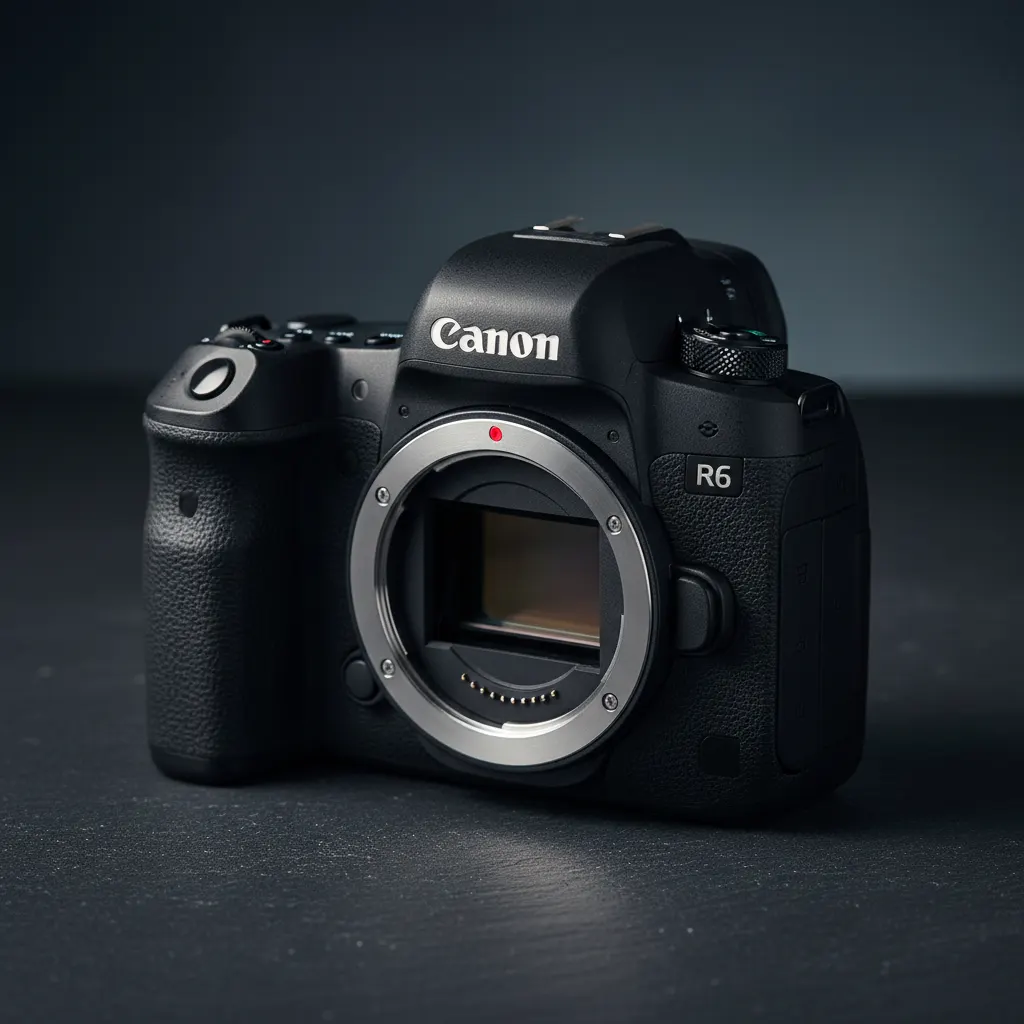
The Canon EOS R6 series has been one of the most popular full-frame mirrorless cameras since its launch. The Mark III iteration brings meaningful upgrades in resolution, autofocus intelligence, and video capability. But is it enough to justify the upgrade from a Mark II?
We spent six weeks with the R6 III across weddings, street photography, and studio work.
What’s New in the Mark III
| Feature | R6 II | R6 III |
|---|---|---|
| Sensor | 24.2MP | 28.1MP |
| AF points | 1,053 areas | 1,205 areas |
| Burst rate | 40fps (e-shutter) | 40fps (e-shutter) |
| Video | 4K 60fps, 6K RAW | 4K 120fps, 6K 60fps |
| IBIS | 8 stops | 8.5 stops |
| EVF | 3.69M dots | 5.76M dots |
| Battery | LP-E6NH (~320 shots) | LP-E6P (~420 shots) |
Build and Handling
The R6 III feels familiar to R6 II users — Canon hasn’t redesigned the body. The same deep, comfortable grip remains, along with the excellent joystick, rear dial, and mode dial combination.
Changes are subtle but welcome:
- Upgraded EVF (5.76M dots, 120Hz) is noticeably sharper and more fluid
- New smart controller on the back (similar to EOS R1)
- Improved weather sealing
- USB-C now supports fast charging and data transfer simultaneously
The body is 10g heavier at 680g. You won’t notice.
Image Quality
The bump from 24.2MP to 28.1MP isn’t dramatic, but it provides a bit more cropping headroom and detail. More significant is the improved sensor readout speed, which reduces rolling shutter in both electronic shutter photos and video.
ISO performance is class-leading. Images at ISO 6400 are clean with excellent detail retention. ISO 12800 is perfectly usable for editorial work. Even ISO 25600 produces acceptable results when needed.
Dynamic range remains excellent — 14+ stops in RAW. Canon’s color science continues to produce warm, pleasing skin tones that wedding and portrait photographers love. Pair it with one of the best camera lenses for portraits and the results are stunning.
The slight resolution increase won’t make R6 II owners rush to upgrade, but it’s welcome nonetheless.
Autofocus
The EOS iTR AF X system in the R6 III is Canon’s best yet. Subject detection is faster and more accurate:
- Human: Face, eye, head, and body detection
- Animal: Dogs, cats, birds, horses — with eye detection
- Vehicle: Cars, motorcycles, trains, aircraft
- Action priority AF — new mode that predicts subject movement
In our wedding testing, the R6 III nailed focus on the bride walking down a dimly lit aisle at f/1.2. That’s impressive.
The AF improvements over the R6 II are incremental but noticeable. Track-and-lock speed is faster, and the system is less likely to lose a subject behind momentary obstructions.
Video
This is the biggest upgrade. The R6 III is now a serious B-camera for professional video productions:
- 6K 60fps RAW internal (Canon Log 3)
- 4K 120fps for gorgeous slow motion
- No recording limit — shoot until the card is full
- Pre-recording captures 3 seconds before you press the button
- Focus breathing compensation for smooth rack focuses
Canon’s Dual Pixel CMOS AF II is arguably the best video AF system. It’s smooth, accurate, and doesn’t hunt. Combined with IBIS and the new lens IS coordination, handheld video looks professional.
S-Cinetone-like color profiles (Canon calls it “Cinema Look”) are now available alongside Canon Log 2 and 3.
Battery Life
The new LP-E6P battery and improved power management deliver ~420 shots per charge — a meaningful improvement over the R6 II’s ~320. For a full day of shooting, two batteries should suffice. For events, pack three.
USB-C charging while shooting is now supported with higher wattage, making it practical for video production with external power banks.
Who Should Upgrade?
Upgrade from R6 II if:
- You shoot a lot of video (6K 60fps and 4K 120fps are significant) — see also our guide to the best cameras for video content creation
- The improved EVF matters to you
- Battery life has been a pain point
- You want the latest AF intelligence
Don’t upgrade if:
- You’re happy with R6 II image quality (the 4MP difference is minor)
- You rarely shoot video
- Budget is a concern — the R6 II at a reduced price is still excellent
Upgrade from R6 (original) if:
- Absolutely. The improvements in AF, IBIS, video, and overall refinement are substantial.
Compared to the Competition
| Camera | Resolution | Burst | Video | IBIS | Price |
|---|---|---|---|---|---|
| Canon R6 III | 28.1MP | 40fps | 6K 60fps | 8.5 stops | $$$ |
| Sony A7 IV | 33MP | 10fps | 4K 60fps | 5.5 stops | $$$ |
| Nikon Z6 III | 24.5MP | 20fps | 6K 60fps | 8 stops | $$$ |
The R6 III slots in as the most video-capable all-rounder in this class. The Sony wins on resolution and lens ecosystem. The Nikon offers a compelling middle ground.
Verdict
The Canon EOS R6 Mark III is a mature, refined camera that excels at almost everything. It’s not a revolutionary upgrade from the Mark II, but it’s a substantial one — especially for video shooters.
If you’re buying into the Canon RF system for the first time, the R6 III is the camera to get. It’s versatile enough for any genre and capable enough for professional work.
Score: 9/10
You might also like
Sony A7 IV Review: The Best All-Round Full-Frame Camera?
Our in-depth review of the Sony A7 IV. We test image quality, autofocus, video capabilities and real-world performance.
Best Action Cameras in 2026: GoPro, DJI, and Insta360 Compared
Capture adventure in stunning quality. We review and compare the best action cameras for sports, travel, diving, and everyday vlogging.

Fujifilm X100VI Review: The Hype is Real
The Fujifilm X100VI is the most sought-after compact camera in years. We review its 40MP sensor, film simulations, and street photography performance.